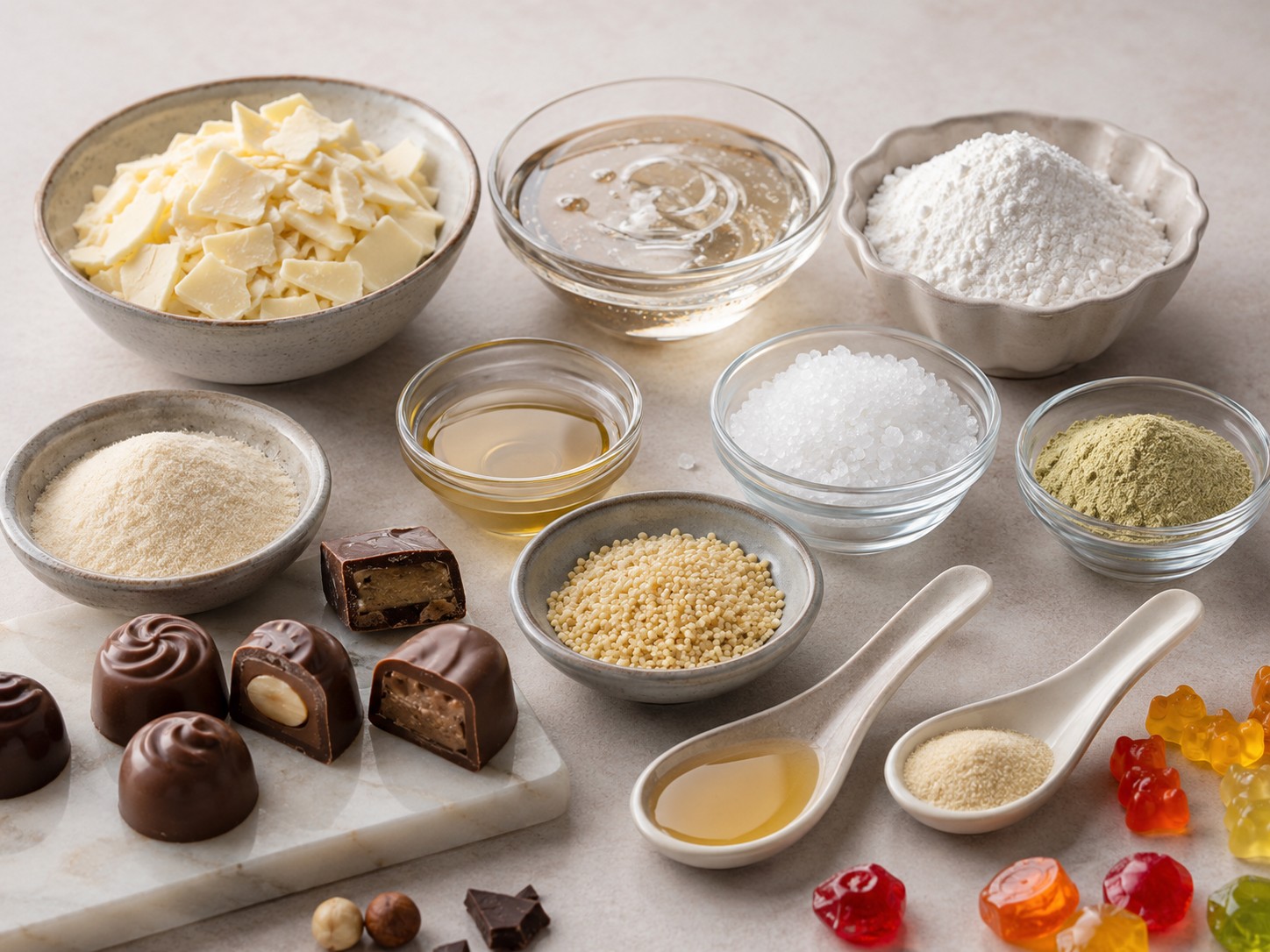

Features Editor Katie Tracy explores how specialist ingredients are helping confectionery manufacturers improve heat stability, while extending shelf life and protecting product quality…
Chocolate and confectionery products are expected to retain their appearance, texture and flavour throughout manufacturing, distribution and storage, yet they are particularly vulnerable to heat, moisture and oxidation. Chocolate can soften or lose its shape in warm conditions, while temperature fluctuations may encourage fat bloom and reduce surface gloss. Filled products face additional risks, including oil migration, moisture transfer and textural changes between contrasting layers. Sugar confectionery presents a different set of challenges, with hard sweets absorbing atmospheric moisture and gummies, caramels or gels becoming sticky, dry or unstable over time.
Extending shelf life is therefore not simply a matter of adding a preservative. It requires manufacturers to understand how fats, carbohydrates, water, proteins and flavours behave together throughout the product’s intended lifespan. Ingredient selection must also be aligned with processing conditions, packaging formats, transport temperatures and the markets in which the finished product will be sold.
A growing range of specialist fats, starches, hydrocolloids, polyols, emulsifiers and antioxidant systems is helping producers address these challenges. Used individually or as part of a combined formulation strategy, these ingredients can improve heat resistance, control bloom and migration, stabilise fillings, manage moisture and protect flavour.
How can heat-resistant fats and coatings protect confectionery products?
Chocolate’s sensitivity to temperature is one of the industry’s most persistent formulation challenges. Conventional cocoa butter has a narrow melting range that gives chocolate its characteristic snap and rapid melt in the mouth, but this same quality can create problems in warmer climates or during poorly controlled distribution. Heat-stable fat systems are designed to increase structural resilience without producing an excessively waxy texture. Depending on the application, manufacturers may use cocoa butter equivalents, cocoa butter replacers, cocoa butter substitutes or specially fractionated vegetable fats. These systems can raise the softening point of coatings, improve dimensional stability and help finished products retain their shape during transport, storage and retail display.
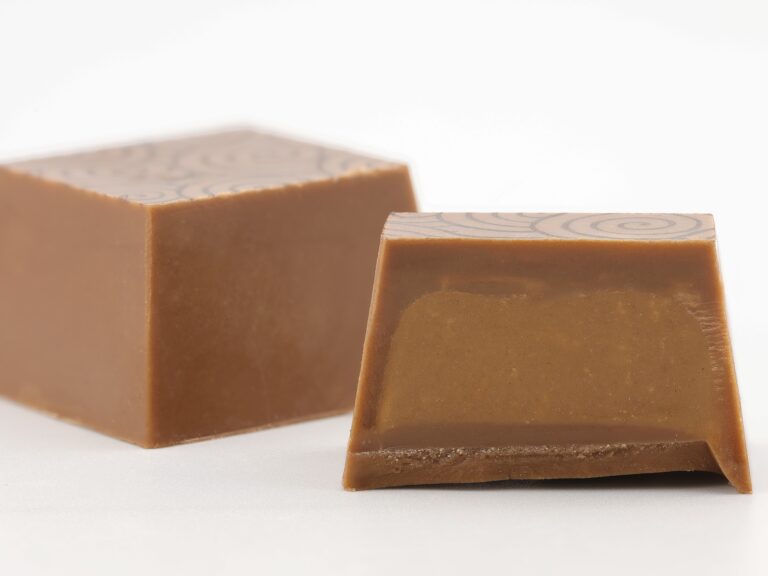
The choice of fat depends heavily on the required sensory profile and the product’s regulatory classification. Cocoa butter equivalents are formulated to behave similarly to cocoa butter and can often be blended with it while preserving desirable crystallisation and melting properties. Cocoa butter replacers and substitutes are more commonly used in compound coatings, where they offer easier processing, reduced tempering requirements and improved resistance to heat. High-melting filling fats can also prevent soft centres from becoming excessively fluid at elevated temperatures. Formulators must nevertheless balance heat resistance with flavour release, mouthfeel and compatibility with other fats, as an overly high melting point can leave a greasy or waxy coating on the palate.
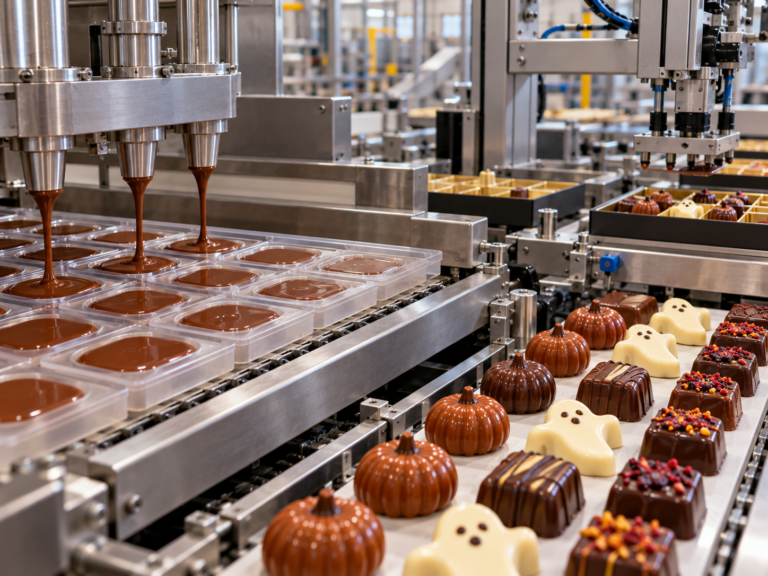
Heat-resistant systems are particularly valuable for confectionery sold in tropical regions, products displayed near warm retail environments and items with complex fillings that may weaken the surrounding shell. They may also reduce breakage, sticking and deformation on high-speed packaging lines. However, fats alone cannot compensate for poor temperature control, so they work best as part of a wider strategy encompassing tempering, cooling, packaging and distribution. Suppliers such as AAK, Cargill and ofi provide specialised confectionery fats, compound-coating systems and cocoa butter alternatives for these applications.
Read the full article in our latest issue here