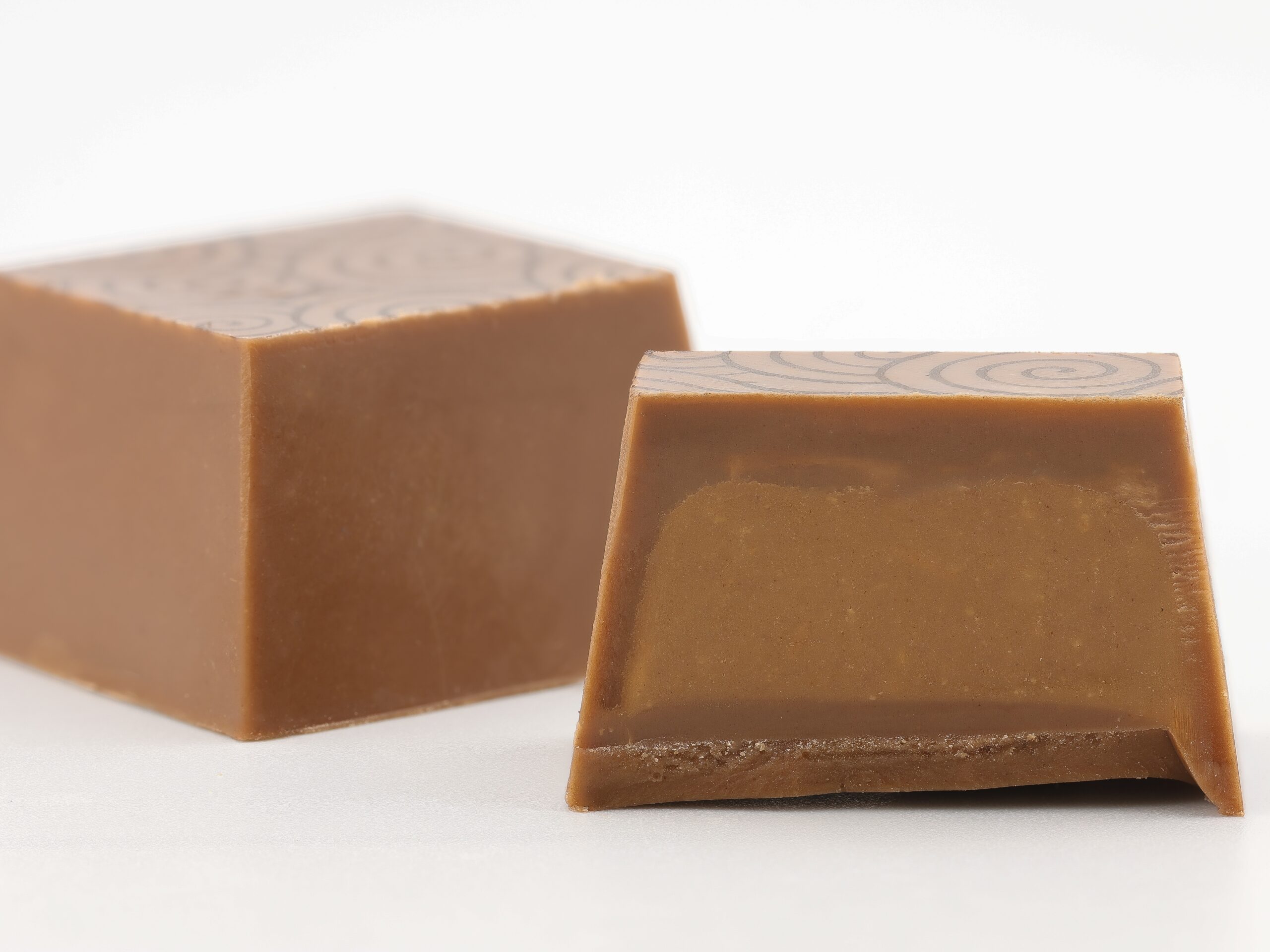

Cargill has introduced its Coconera® cocoa butter equivalent (CBE) range to Europe, offering chocolate and confectionery manufacturers another formulation option as cocoa costs and supply uncertainty continue to challenge production planning.
The introduction aims to help producers manage ingredient costs while maintaining the melt, mouthfeel and flavour release associated with cocoa butter. It comes as manufacturers seek to protect margins without reducing the quality or indulgence consumers expect.
Formulation flexibility for confectionery
Coconera® is designed for compatibility with cocoa butter, allowing manufacturers to adjust fat systems to processing needs and cost targets. Under EU rules, permitted cocoa butter equivalents can account for up to 5% of qualifying chocolate products, subject to the relevant composition and labelling requirements. Higher inclusion levels are possible in compound coatings, where cocoa butter may be partly or fully replaced.
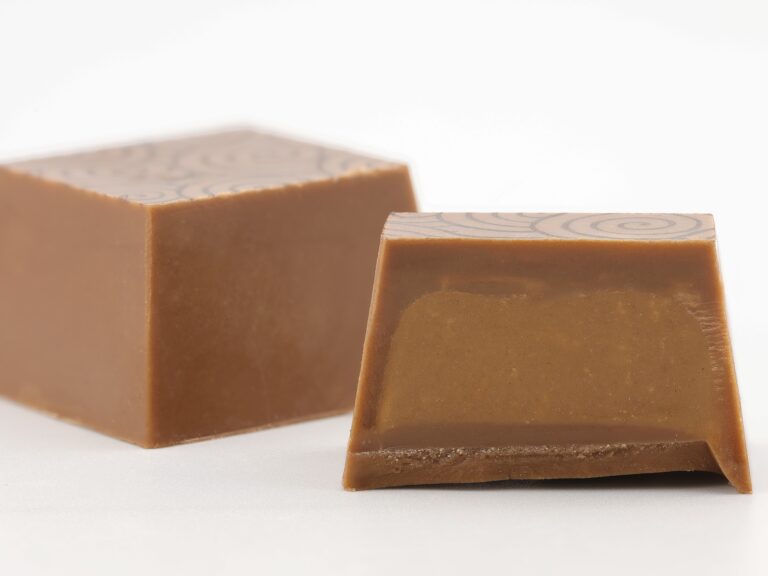
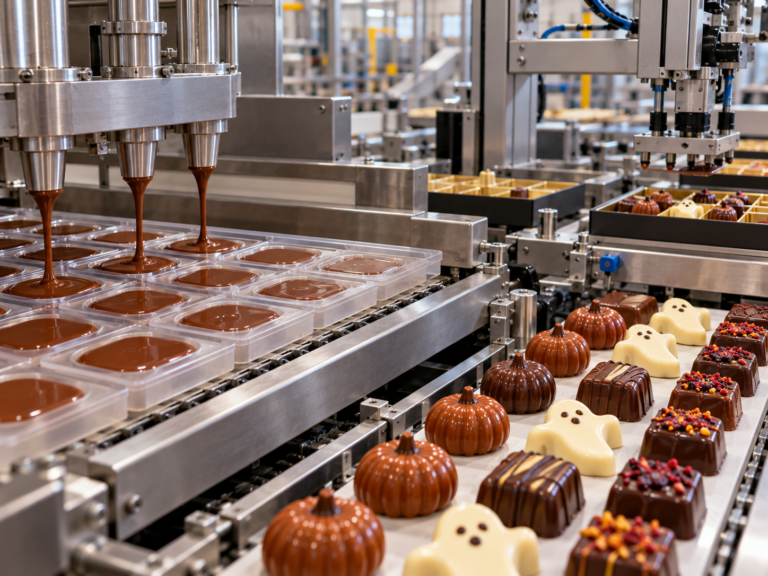
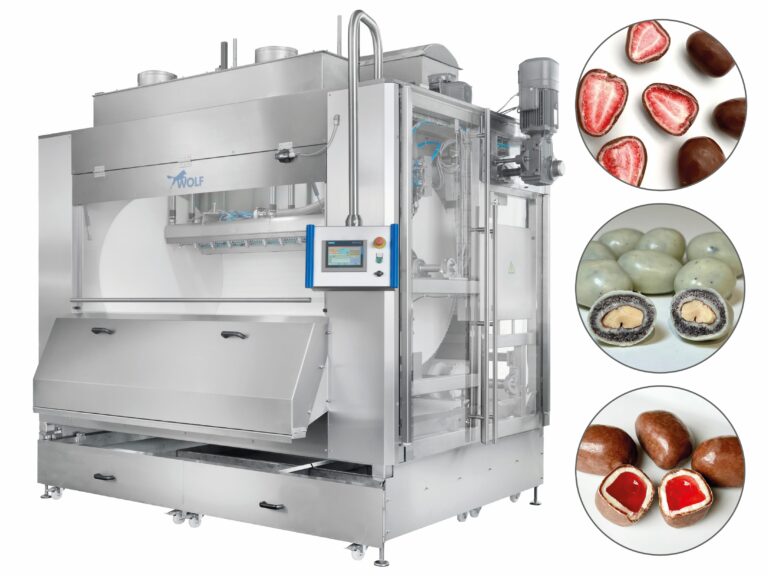
Cargill says the range offers suitable melting behaviour, bloom stability and processing compatibility. Applications extend from moulded chocolates, coated confectionery and fillings to bakery products, ice cream, dairy desserts and decorative elements.
Product developers can use this flexibility in reformulation, although changes require assessment of texture, shelf life, processing and consumer acceptance.
European production supports supply
The European introduction is backed by dedicated CBE production at Cargill’s Zaandam facility in the Netherlands. The company already supplies Coconera® in other regions, and European manufacturing is intended to increase local availability and provide customers with a more scalable source of supply.
For confectionery buyers, regional capacity could help diversify sourcing options and reduce exposure to fluctuations in cocoa butter availability. It also gives manufacturers an additional ingredient route when developing products for different price points.
The development reflects a wider change in confectionery cost management, with formulation decisions becoming increasingly important alongside procurement. Any potential savings must still be weighed against regulatory requirements and the sensory qualities expected from finished products.