Shelf life has always mattered in confectionery. Today, however, it faces greater pressure to do more than simple product protection. Export growth into warmer and more humid climates, the rise of premium inclusions, the expansion of sharing formats, and the steady reformulation of recipes to reduce sugar or introduce functional ingredients have all elevated the role of flexible packaging. Barrier pouches and modified atmosphere packaging (MAP) formats are no longer secondary considerations; they are strategic tools that influence quality perception, waste reduction, regulatory compliance and even brand positioning.
For confectionery producers operating high-speed lines and increasingly diversified portfolios, the conversation has shifted from “what level of barrier is needed?” to “what level of barrier is optimal?” At the same time, sustainability targets and recyclability mandates are forcing a reappraisal of long-established laminate structures. The result is a period of rapid material and machinery innovation that is reshaping how chocolate, sugar confectionery and better-for-you formats are packed and protected.
Beyond Traditional Laminates
Multi-layer laminates built around PET, OPP and PE have long formed the backbone of flexible confectionery packaging. Metallised films and aluminium foil layers have provided robust oxygen and light barriers, particularly for chocolate with nut inclusions or high-fat fillings. Yet rising environmental scrutiny and extended producer responsibility (EPR) schemes are challenging the continued use of complex multi-material constructions.
In response, packaging developers are refining high-barrier mono-material PE and PP structures capable of delivering significantly improved oxygen transmission rates (OTR) and moisture vapour transmission rates (MVTR) without compromising recyclability. Advances in EVOH integration and sophisticated coating technologies such as aluminium oxide (AlOx) and silicon oxide (SiOx) are enabling thinner, lighter films that maintain protective performance while reducing overall material usage.
Global flexible packaging suppliers have been at the forefront of developing recyclable high-barrier laminates designed to replace traditional foil-based structures in applications ranging from chocolate sharing pouches to countline multipacks. The technical challenge lies in maintaining oxygen and moisture control at levels sufficient to prevent fat bloom, flavour degradation and texture changes, while also ensuring seal strength and machinability at high speeds.
To name just one example. Constantia Flexibles has invested in ultra-thin aluminium and high-performance barrier technologies aimed at balancing premium protection with downgauging objectives. For premium pralines, layered chocolate products and seasonal assortments, the ability to fine-tune light and oxygen barriers without significantly increasing pack weight or complexity is increasingly important.
Rather than defaulting to the highest possible barrier, confectionery producers are now examining product-specific requirements more closely. Matching barrier performance to water activity, fat profile and inclusion sensitivity allows manufacturers to avoid over-engineering packaging while still delivering shelf life targets. This “right-sizing” approach is becoming central to both cost control and sustainability strategy.
Confectionery-Specific Performance Challenges
Barrier performance in confectionery is rarely uniform across product categories. Moisture-sensitive gummies and jellies present a different challenge to fat-rich chocolate with nut inclusions, while aerated bars and wafer-based products introduce additional fragility concerns.
For gummies and soft chews, controlling moisture migration is critical to preventing stickiness, surface crystallisation or texture hardening. High MVTR control becomes particularly important in stand-up pouches and resealable sharing formats, where repeated opening exposes products to ambient humidity. In sugar confectionery, aroma retention can also play a decisive role in consumer perception, requiring films capable of limiting volatile compound loss.
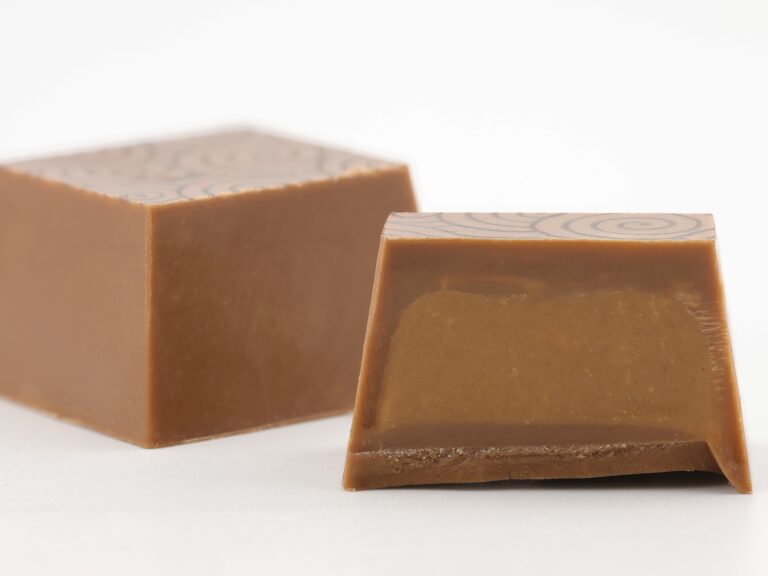
Chocolate introduces its own complexities. Oxygen ingress accelerates oxidative rancidity in nut inclusions and certain vegetable fats used in compound coatings. Light exposure can affect both flavour stability and visual appearance. Meanwhile, fat migration in filled or layered products may alter mouthfeel and gloss over time. Maintaining a controlled micro-environment within the pack is therefore critical not only to shelf life but to brand consistency.
Then, the growth of reduced-sugar and sugar-free confectionery adds further variables. Polyols and alternative sweeteners often exhibit different hygroscopic behaviours compared to sucrose, affecting moisture management strategies. In addition, protein-enriched and fibre-fortified bars may display increased sensitivity to oxygen and humidity fluctuations. Packaging must therefore accommodate evolving formulations without compromising line efficiency.