Kerstin Bergander-Kleinert, Head of BU CNP, Döhler Group, explores cocoa alternatives, ingredient innovation and building greater resilience across confectionery production.
With cocoa supply under growing pressure, manufacturers are exploring new ways to protect quality, availability and innovation. Döhler’s acquisition of Nukoko brings fermentation technology and fava beans into that conversation, creating new possibilities for cocoa reduced and cocoa free formulations. Kerstin Bergander-Kleinhert explores what this could mean for confectionery’s future.
How do you see the chocolate category evolving over the next five to ten years, and what role will alternative ingredients play?
Volatility is likely to remain a structural feature of cocoa, driven by climate impacts and constrained supply. We expect the category to evolve into a more diversified chocolate ecosystem. Conventional cocoa based products will remain central, complemented by cocoa reduced and cocoa free alternatives that can help manufacturers manage risk, strengthen supply resilience and maintain consistent quality.
We are still in the early stages of market learning, but we believe alternative ingredients will become a mainstream tool for manufacturers seeking greater flexibility in formulations and sourcing. The objective is not to replace chocolate, but to provide additional options that support the category’s long term growth.
What made Nukoko stand out as the right partner for Döhler, and how does this acquisition fit within your broader innovation strategy?
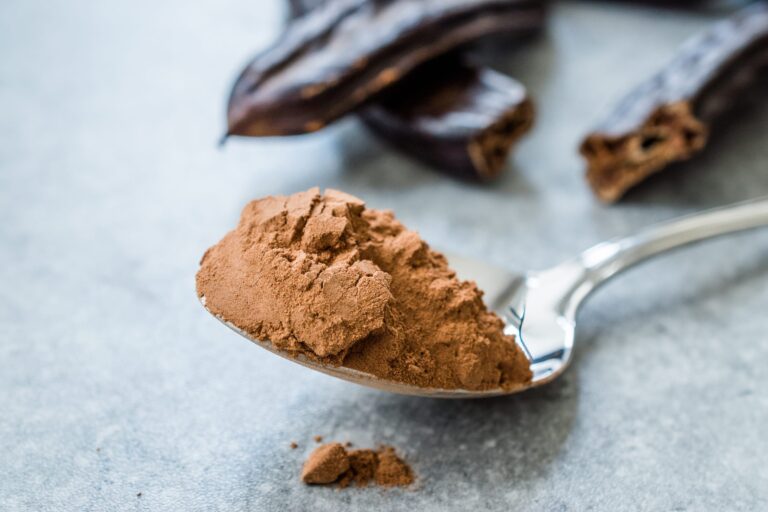
Nukoko stood out because it represents a platform rather than a single product. Its fermentation led approach creates a chocolate like powder from fava beans, with potential across a range of applications.
Strategically, this aligns with Döhler’s approach to future focused ingredient solutions, where taste, scalability and solving customer challenges are core priorities. Integrating Nukoko into Döhler’s development, scale up, manufacturing, application and commercialisation capabilities allows us to bring cocoa free chocolate alternatives to customers faster and at meaningful industrial scale.
What challenges remain before cocoa free chocolate can achieve widespread commercial adoption?
Chocolate is a much loved ingredient, and the idea of replacing it understandably evokes strong opinions. The main hurdles are meeting sensory expectations, achieving the necessary technical performance across applications and delivering reliable consistency at industrial scale.
Consumer understanding will also be important. Once people recognise that alternatives are not intended to replace the chocolate they enjoy, but to support and broaden the category, adoption becomes easier. We believe this shift will happen as the technologies become more familiar and appear across a wider range of products.
How important is sensory performance in convincing manufacturers, and ultimately consumers, to embrace new formulations?
Taste is everything in chocolate, and we took that seriously when developing Nukoko. Any alternative needs to perform convincingly in both flavour and functionality to become a viable option for manufacturers.
Nukoko powder matches the majority of the key flavour compounds found in cocoa, meaning the resulting flavour profile in applications such as chocolate can be very similar. Nutritional, environmental or supply chain benefits will only take an alternative so far. Consumers still expect indulgence, making sensory performance fundamental to successful adoption.