
Cordillera Chocolate has begun the next phase of its ATENEA women’s empowerment programme, working with cocoa-growing communities to shape the training around participants’ needs.
Two cohorts are scheduled to begin in January 2027 in parallel across the Colombian departments of Magdalena and Cesar. Approximately six cocoa-farming associations are expected to participate in the programme, which will run for approximately 12 to 14 months.
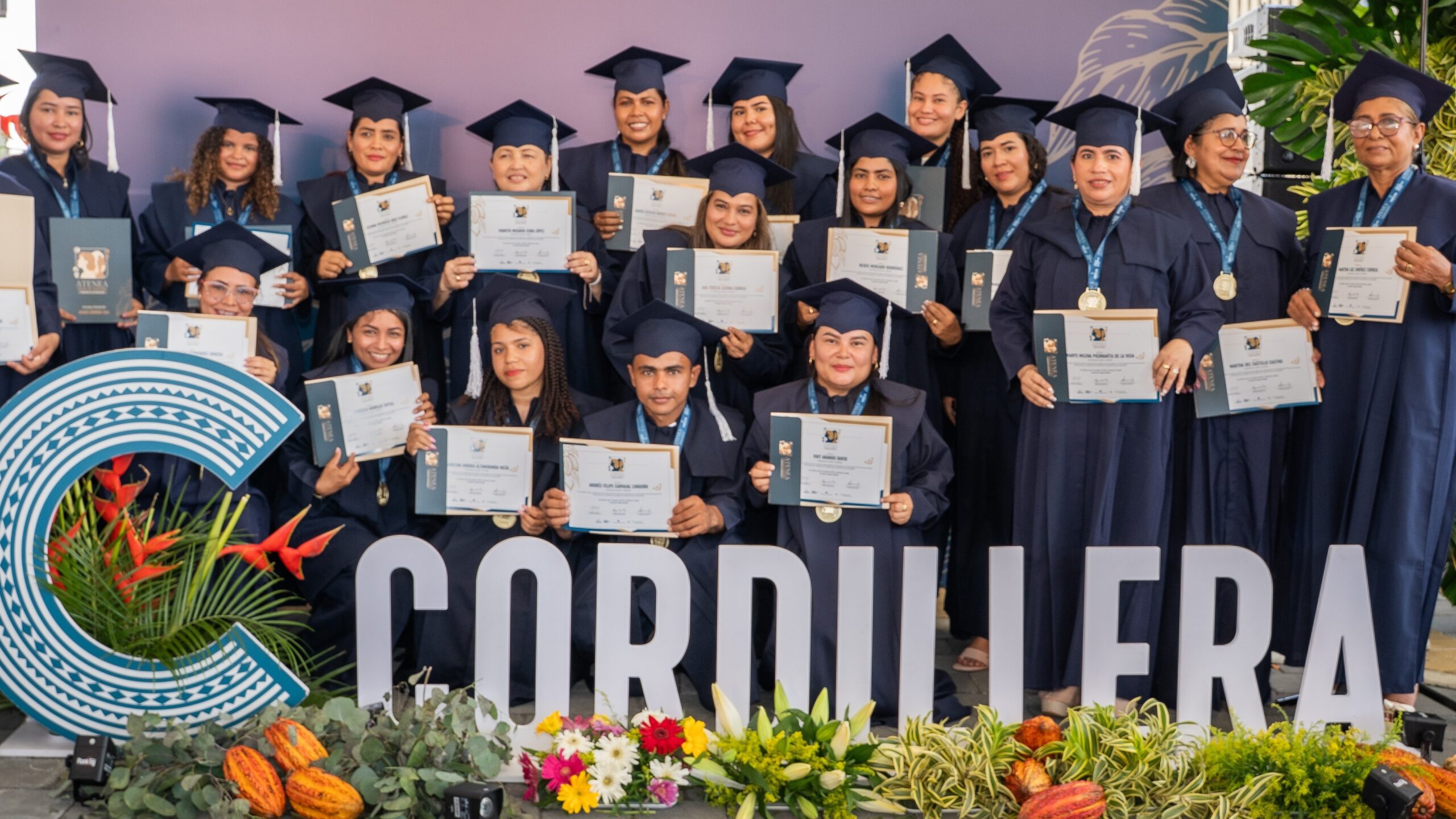
The expansion follows the graduation of more than 100 women cocoa farmers from ATENEA’s second cohort in Córdoba earlier this year. Since its launch in 2023, more than 200 women have graduated from the programme.
Participants in the Córdoba cohort came from four cocoa-producing associations and received training in chocolate entrepreneurship, financial management, leadership and sustainable cocoa production.
Communities Help Shape the Programme
During the October consultation phase, the ATENEA team is meeting women cocoa farmers, community representatives, and other local stakeholders to identify participants’ priorities and decide what to include in the curriculum.
“It’s not about us. It’s about them. So, it’s essential to first understand their reality in order to evaluate the relevance of what they will discover and how it will impact their lives over the year,” said Jorge León, Sustainability Manager at Cordillera Chocolate.
The findings will inform the training delivered from January. By running two cohorts simultaneously, Cordillera aims to extend ATENEA into more cocoa-growing regions and support women cocoa farmers across Colombia.
The programme is delivered in partnership with the Procurement and Agricultural Development Department of Compañía Nacional de Chocolates.
Building on Success in Córdoba
ATENEA’s second edition delivered 376 hours of training to women from four cocoa-producing associations in Córdoba. These associations supply cocoa beans to Compañía Nacional de Chocolates, the company behind the Cordillera Chocolate brand.
SENA, Colombia’s National Learning Service, and Développement International Desjardins (DID), a Canadian organisation specialising in financial inclusion, supported the programme.