
Andrea Boggio, CEO of SACMI Chocolate & Packaging, explores AI, sustainability, integration and the technologies shaping the future of confectionery production…
Could you introduce yourself and tell us a little about your background in the industry?
Certainly. I am the CEO of SACMI Packaging & Chocolate and have been with the company since 2020. Before joining SACMI, I spent approximately 23 years in the chocolate industry, working across Italy and Switzerland in a variety of operational and management roles. Throughout my career, I have gained extensive experience in both chocolate manufacturing and packaging technologies.
Would you say your expertise lies more on the chocolate processing side or the packaging side of the business?
I would say both, although perhaps slightly more on the processing side, particularly in chocolate manufacturing. My background has provided me with a strong understanding of how products are made, while my work at SACMI has further developed my expertise in packaging machinery and integrated production systems.
What are the key innovations you are currently seeing in chocolate production and packaging machinery?
In chocolate processing, one of the biggest areas of innovation is making machinery easier to operate. Manufacturers are focused on simplifying machine operation, reducing changeover times and improving ergonomics. This is becoming increasingly important as regulations become stricter and as the availability of highly skilled operators declines in many Western markets.
There is also a growing focus on process control rather than quality control. Instead of identifying problems after production, manufacturers want to prevent them from happening in the first place. This is where technologies such as artificial intelligence and advanced data analytics can play an important role.
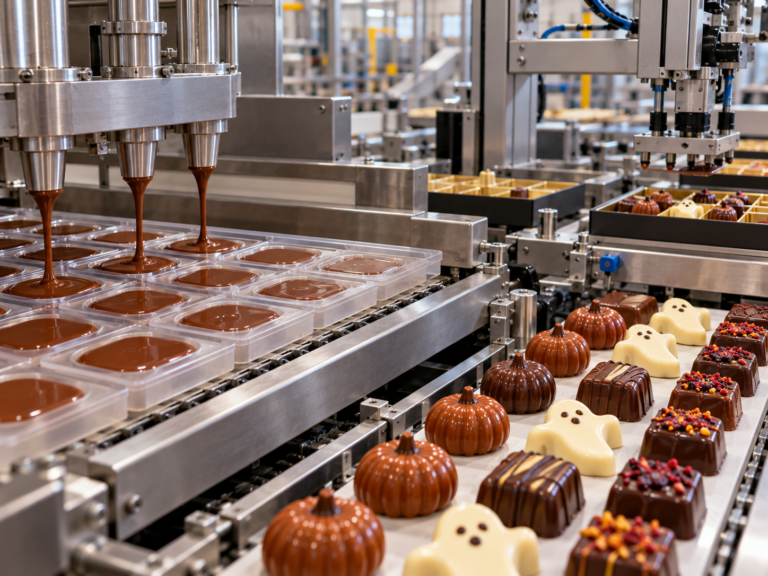
A chocolate moulding line may appear complex, but it is essentially a collection of machines that must work together perfectly. Every stage affects the next, and variables such as ingredient behaviour, tempering conditions and production parameters all influence final quality. By collecting and analysing data from across the line, manufacturers can better understand these relationships and continuously optimise performance.
What innovations are taking place on the packaging side?
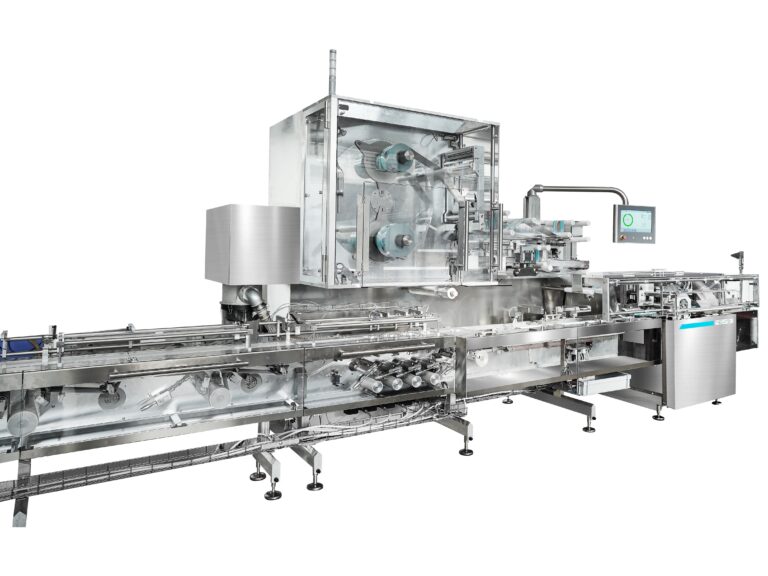
Packaging machinery faces similar challenges, although the focus is slightly different. Packaging performance depends not only on the machine itself but also on the products being packed and the materials being used.
One major area of development concerns packaging materials. A few years ago there was an expectation that sustainable packaging would be adopted extremely quickly. While progress has certainly been made, the transition has been slower than many anticipated.
Food packaging has to fulfil several requirements simultaneously. It must protect the product, ensure food safety and preserve shelf life. These requirements can sometimes make it difficult to introduce new materials at the speed that many people would like.
From a machinery perspective, innovation continues to focus on improving efficiency, performance and ease of use while helping manufacturers achieve the highest possible productivity.
When customers face challenges with their equipment, what support can you offer them?
Traditional service support remains essential. If a customer experiences a major issue, we need to be able to respond quickly and provide on-site assistance when necessary.
However, the future lies increasingly in proactive support rather than reactive support. Instead of waiting for a problem to occur, we want to help customers prevent it.
There are many established predictive maintenance techniques, including vibration monitoring, temperature monitoring and lubricant analysis. These methods have been around for some time, but they remain highly effective. Interestingly, only a relatively small percentage of manufacturers take full advantage of them.
We are also integrating more intelligence into our machinery. For example, by monitoring parameters such as motors’ torque, we can identify unusual behaviour before it develops into a serious problem. This allows manufacturers to avoid costly breakdowns, reduce downtime and improve overall equipment reliability.