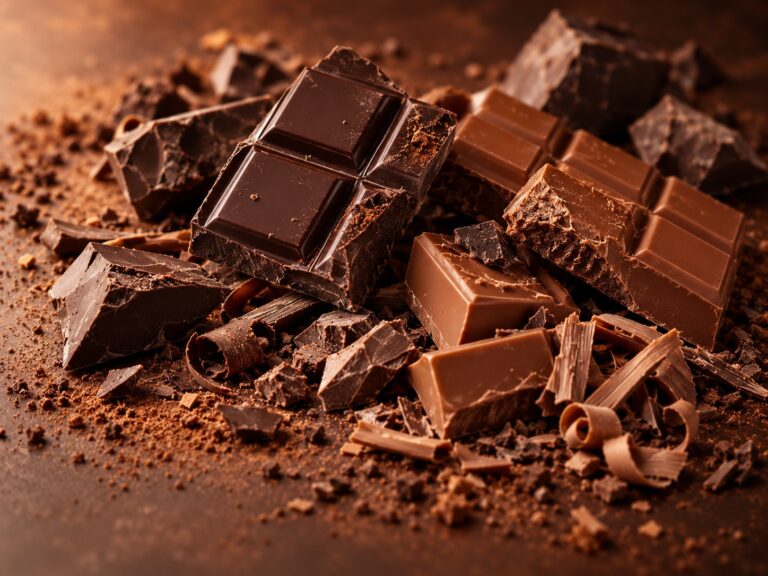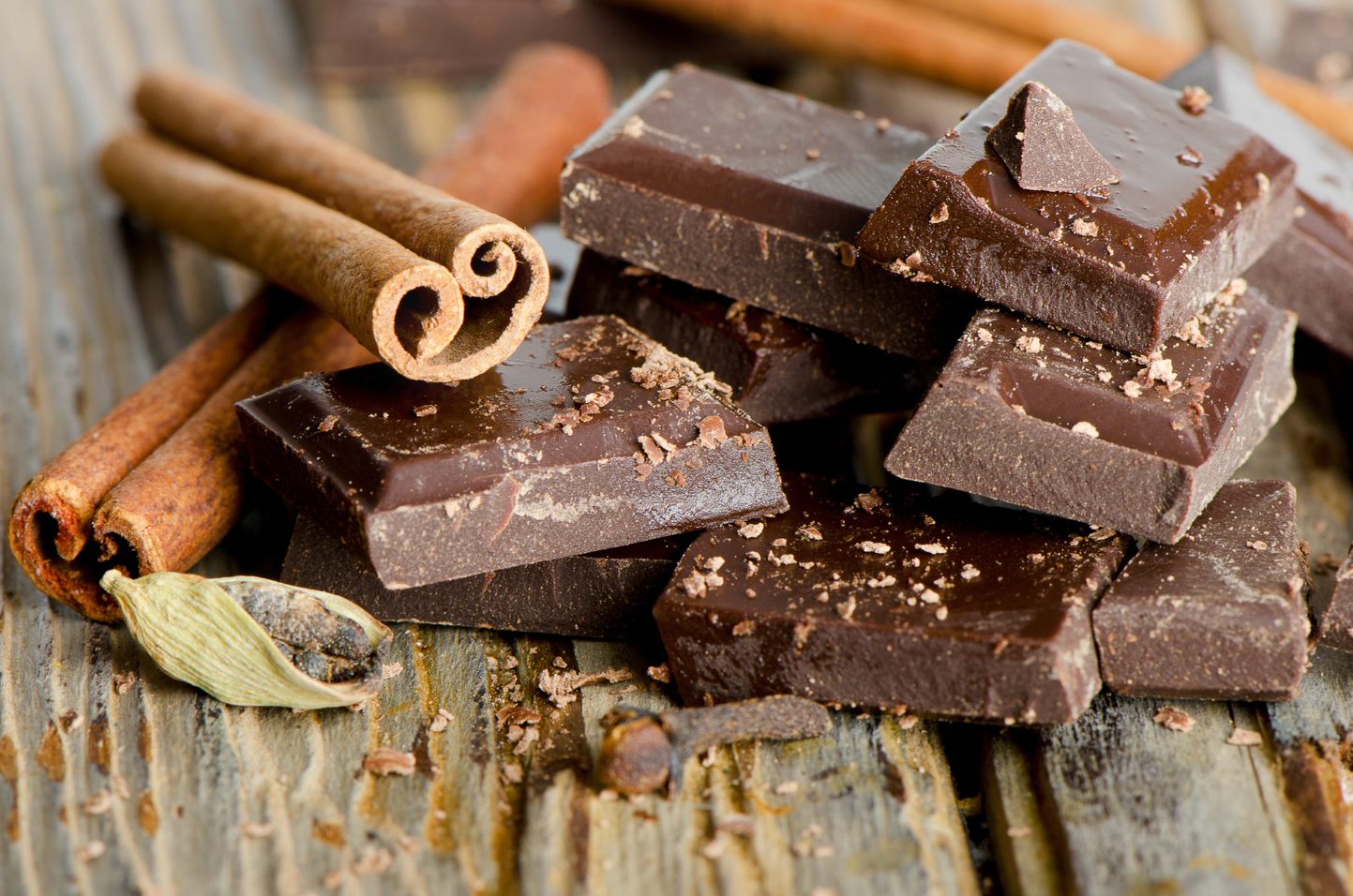

Clay Gordon, Technical Editor for International Confectionery explores CBEs and CBRs, analysing whether this change to oils and fats change the definition of chocolate
As a child growing up in Southern California in the 1960s I never gave a thought to what was in the chocolate candy I was eating. Nor did I ever stop to consider whether or not what I was eating was chocolate, in the legal sense, and why even would I? In that respect I was (and am) like most people, even today, more than fifty years later.
I remember having a distinct preference for chocolate candy – milk chocolate with inclusions of all sorts, from nougat (at nine years old I had no clue what nougat was, I just knew I liked it), puffed rice, tooth-achingly sweet coconut (but it had to have almonds), caramel, peanuts, caramel with peanuts, peanut butter, and whatever peanutty thing was inside a Butterfinger® … you name it, I was all in for it. I even liked getting my chocolate/vanilla swirl soft-serve ice cream cones (the kind you purchased from that truck driving slowly down the street after school that played an annoying siren jingle your parents dreaded hearing), dipped into a tub of room temperature molten ‘chocolate’ shell that immediately hardened into a crunchy coating.
I never once gave a thought to why a Hershey milk chocolate bar had one texture, the House of Bauer Bavarian Mint Meltaways we got my dad for his birthday had another texture, and the “chocolate” shell covering my ice cream had still yet a third.
After all, they were all chocolate, weren’t they?
I first began thinking about the fats used in chocolate making in the mid 1990s after learning about Chantal Coady’s campaign for “real” chocolate. (My own introduction to the world of gourmet chocolate was about this same time.) In that campaign, Chantal championed for a purist definition – real chocolate could only be made with cocoa butter; no other fats should be allowed. “Real” chocolate implied there was “fake” chocolate, or some chocolate-like substance that maybe looked like chocolate and tasted (sorta kinda?) like chocolate but wasn’t actually chocolate. This implied there were legal definitions for what chocolate was and wasn’t, and also implied that those rules might not be the same everywhere in the world.
I learned that, in the US, the Code of Federal Regulations, specifically Title 21, Chapter 1, Subchapter B, Part 163 (more commonly referred to as CFR 21.163), specifies the ingredients that can (and can’t) be in cocoa products, processes that can be used in manufacturing, and the terms used to refer to them. For example, “Chocolate liquor is the solid or semiplastic (sic) food prepared by finely grinding cacao nibs.” These rules are commonly referred to as Standards of Identity.
Interestingly, there is no Standard of Identity for dark chocolate. What we think of as dark chocolate falls into the category called Sweet Chocolate in the US. But – and this is one of the few areas where US food regulations are stricter than in many other countries – to be called chocolate, the only fat in the recipe can be cocoa butter. It is in §21.163.150/153/155 that the categories colloquially known as “compound chocolate” are defined. Under no circumstances can any product that falls into one of these sections be labelled as chocolate – in the US. (The use of the word “chocolatey” on a label is one sign that compound may be used, not chocolate.)
To read more see our latest issue here.
Media contact
Editor, International Confectionery
Tel: +44 (0) 1622 823 920
Email: [email protected]