
HPS specialises in liquid product recovery technology, helping confectionery manufacturers maximise yields, reduce waste and improve processing efficiency.
Not all the chocolate processed makes it to the final product. And while it’s easy to accept this simply as part of the cost of production – it could be costing you more than you think. The amount of product left after a transfer may not seem that much. But when the same loss is repeated across multiple batches, it can add up to a considerable volume of saleable chocolate lost every year. This issue is not limited to chocolate. It also applies to other confectionery products such as coatings, fillings, caramel, syrups and fondants.
What Happens to the Chocolate Left Behind?
Chocolate remaining in the pipeline must be cleared before the next product run, changeover or shutdown. Some manufacturers flush it out using oil or cocoa butter. Others use the next batch to push the remaining chocolate through the line. Depending on the products involved, this can create mixed product that must be reworked, downgraded or discarded.
If chocolate is left in the pipeline and its temperature drops, it may thicken or solidify. This can lead to production delays, even product degradation. The cost goes beyond the chocolate itself. Flushing materials, rework, additional cleaning and downtime increase the overall loss.
Small Losses Can Become a Big Cost
The amount left behind generally depends on the length and diameter of the pipeline, the type of product being transferred and how the line is cleared. Longer and wider pipelines hold more product. However, even small amounts can become significant when there are multiple transfers a day. And the costs of this product loss can be considerable.
Recovering Chocolate Before It Becomes Waste
Rather than leave product in the line, it’s far more efficient to recover it so it can be packaged, processed or sold along with the main batch.
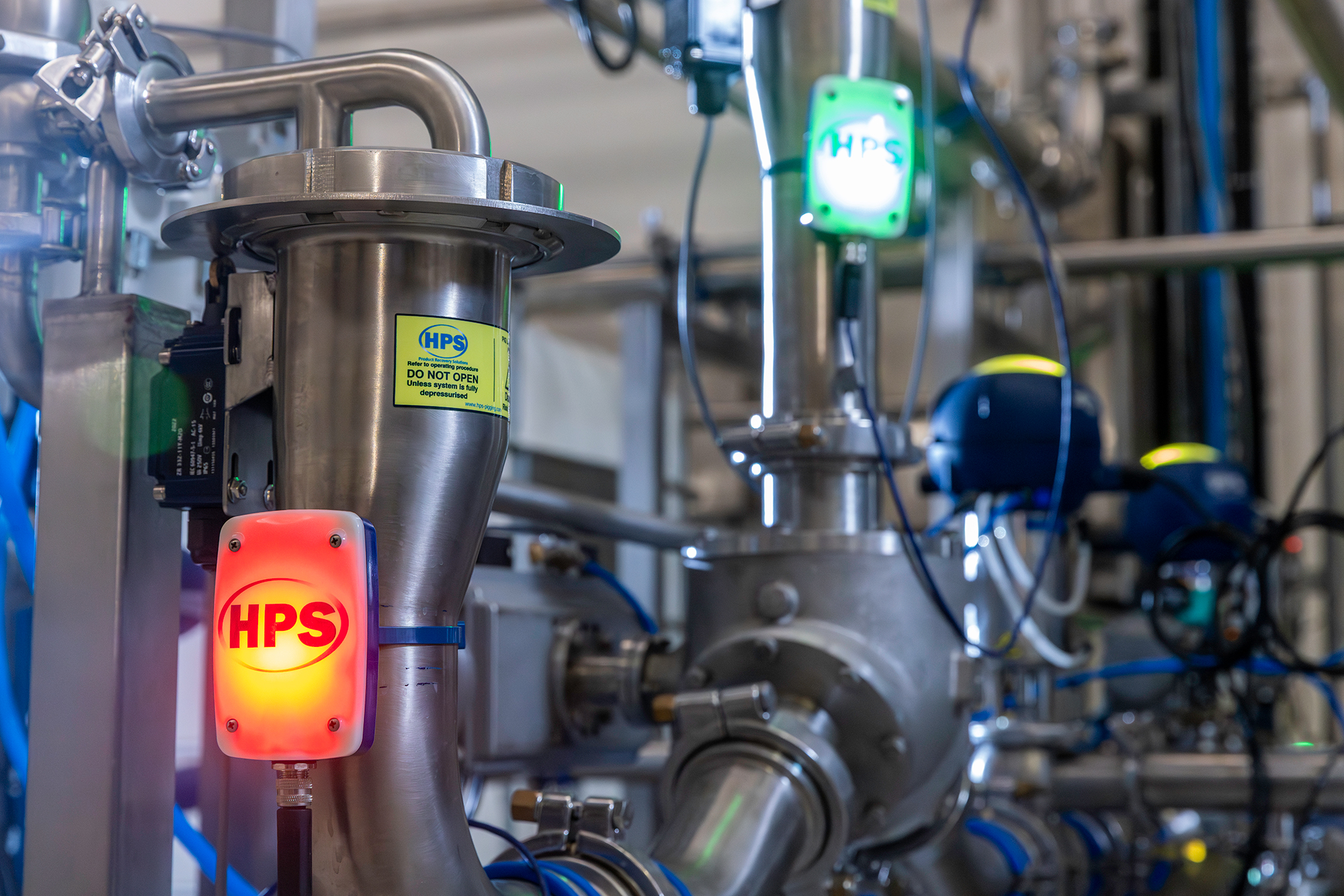
HPS Liquid product recovery technology, a type of “pigging”, is a proven technique used by manufacturers worldwide to quickly and automatically remove chocolate from the pipeline. A hygienic, specialist projectile, known as the “pig”, travels through the pipeline and pushes the remaining product towards its intended destination, such as a tank or filling machine. This allows more chocolate to continue into production instead of being flushed away, mixed with the next batch or left to solidify. It can also reduce the amount of oil, cocoa butter or other materials required to clear the line.
Pigging takes place before cleaning and does not replace cleaning procedures. It recovers valuable product before cleaning begins, which in turn makes cleaning faster and more efficient.
How Much Could You Recover?
In suitable applications, HPS pigging technology recovers up to 99.5% of product from full pipelines. And the process literally takes seconds.
Across frequent transfers and multiple production lines, it makes a significant difference to overall yield. It also reduces waste and product carryover, improves changeovers and prevents chocolate from being left stationary in the pipeline – preventing solidification, possible degradation, and saving the costs of putting things right.