According to Growth Market Reports, the global chocolate confectionery market size reached USD 155.2 billion in 2025, reflecting robust consumer demand and dynamic product innovation across all regions. The market is anticipated to grow at a CAGR of 4.7% from 2026 to 2034, bringing the total value to approximately USD 233.8 billion by 2034. This steady growth trajectory is underpinned by evolving consumer preferences, increased disposable incomes, and the expansion of distribution channels worldwide. The broader confectionery industry continues to serve as a strong foundation for chocolate’s sustained commercial momentum.
Across developed and emerging economies, manufacturers are responding with innovative recipes, functional ingredients, limited-edition launches, artisanal collections, and environmentally responsible packaging. As purchasing power rises and gifting traditions expand worldwide, the chocolate confectionery industry continues to unlock new opportunities across retail shelves and online marketplaces alike.
What Is the Chocolate Confectionery Market?
The Chocolate Confectionery Market encompasses the production, distribution, and sale of chocolate-based products intended primarily for enjoyment, gifting, seasonal celebrations, and everyday consumption. The category includes milk chocolate, dark chocolate, white chocolate, filled chocolates, pralines, truffles, molded chocolates, chocolate-coated snacks, and premium artisanal creations.
Manufacturers continuously develop products that appeal to changing lifestyles while maintaining the emotional connection consumers have with chocolate. This combination of familiarity and innovation makes chocolate one of the most resilient categories within the global food industry.
Why Is the Chocolate Confectionery Market Growing?
Several interconnected factors continue to drive steady expansion across international markets.
One of the strongest growth drivers is rising disposable income. Consumers increasingly spend on premium indulgence products that deliver superior taste and quality. Chocolate has become an affordable luxury, allowing consumers to enjoy premium experiences without making significant financial commitments.
Urbanisation has also increased demand for convenient packaged confectionery products. Busy lifestyles encourage impulse purchases through supermarkets, convenience stores, vending machines, and online retailers.
Global celebrations – including Valentine’s Day, Easter, Christmas, Diwali, Lunar New Year, and birthdays – continue to strengthen seasonal chocolate sales, making gifting a significant revenue contributor.
Additionally, digital commerce has enabled smaller artisan brands to reach customers worldwide, expanding product diversity while increasing market competitiveness.
Consumer Preferences Are Changing Rapidly
Today’s chocolate consumers are significantly more informed than previous generations.
Rather than purchasing solely based on brand recognition, buyers increasingly examine ingredient quality, cocoa origin, sustainability certifications, sugar content, nutritional profile, and manufacturing transparency.
Consumers are actively seeking:
- High cocoa-content dark chocolates
- Single-origin cocoa products
- Organic chocolates
- Vegan chocolate alternatives
- Sugar-free options
- Protein-enriched chocolates
- Functional chocolates with added nutrients
- Clean-label formulations
This shift reflects a broader movement toward mindful indulgence, where enjoyment and wellness coexist.
Premium Chocolate Is Becoming the New Standard
Premiumisation has become one of the defining characteristics of the Chocolate Confectionery Market.
Consumers increasingly associate premium chocolate with:
Superior Ingredients
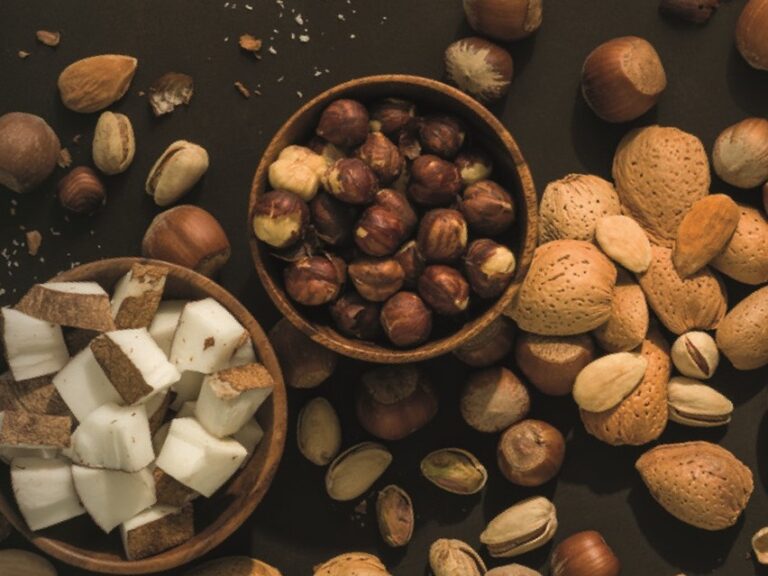
High-quality cocoa beans, natural vanilla, premium nuts, exotic fruits, and authentic flavor extracts enhance product differentiation.
Unique Flavour Experiences
Manufacturers now experiment with ingredients such as sea salt, chili, lavender, matcha, saffron, coffee, orange peel, caramelised almonds, pistachios, and botanical infusions.
Elegant Packaging
Luxury packaging transforms chocolate into a preferred gifting option while strengthening brand identity.
Storytelling
Brands emphasise cocoa origins, artisan craftsmanship, family heritage, and sustainable farming practices to build emotional connections with consumers.
Premium products generate stronger customer loyalty while improving profit margins.
Sustainability Is Becoming a Competitive Advantage
Environmental responsibility is no longer optional within the global chocolate industry.
Consumers increasingly expect brands to demonstrate ethical business practices throughout their supply chains.
Technology Is Transforming Chocolate Manufacturing
Digital innovation is improving every stage of chocolate production.
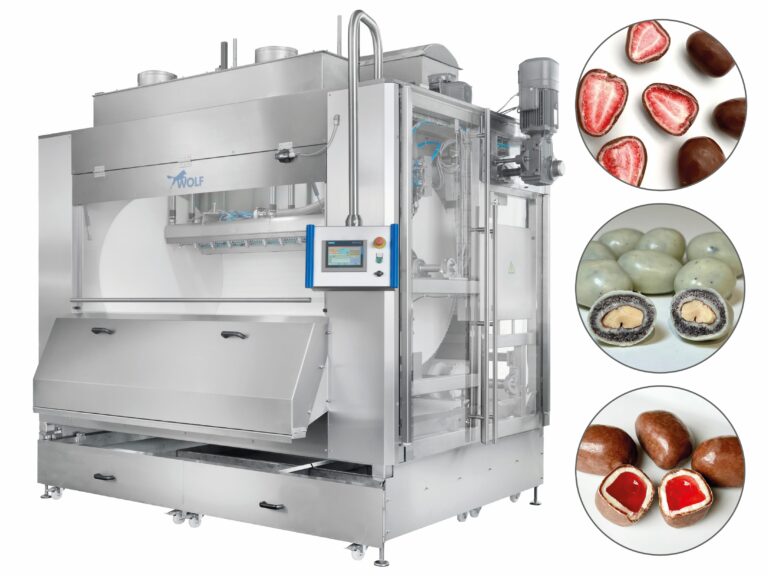
Modern manufacturing facilities increasingly utilise automation for precision mixing, molding, cooling, wrapping, and quality inspection. Artificial intelligence helps optimise production schedules, reduce waste, and forecast demand more accurately.
Advanced analytics allow manufacturers to monitor consumer purchasing behavior, enabling faster product development and improved inventory management.
Smart packaging technologies are also emerging, offering enhanced traceability and interactive consumer experiences through QR codes and digital storytelling.