
Syntegon shares four key imperatives shaping the future of gummy production, from flexibility and sustainability to automation and collaboration
Gummy production continues to evolve as manufacturers balance consumer expectations with increasing operational pressures. Today’s consumers want more than great taste and texture; they expect innovative flavours, novel shapes, functional ingredients, and greater transparency. At the same time, manufacturers face rising raw material, energy, and labour costs, alongside growing regulatory requirements and ongoing skills shortages.
Rather than relying on disruptive change, the industry is advancing through continuous improvement. Four key imperatives are shaping the future of gummy manufacturing: flexibility and variety, sustainability, automation and artificial intelligence, and collaboration across the value chain.
Flexibility and Variety as Innovation Drivers
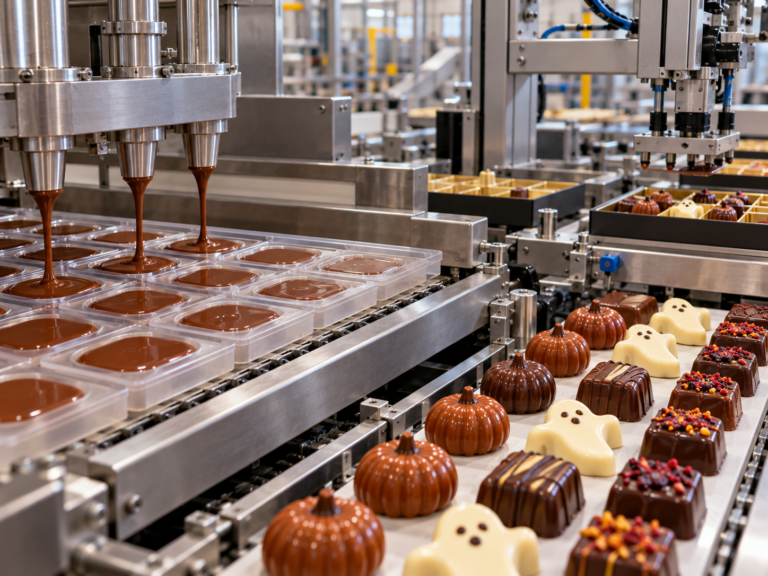
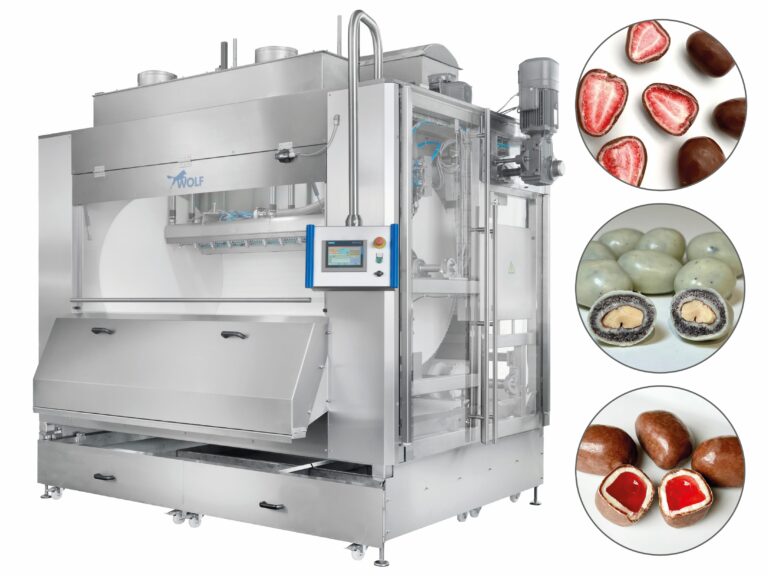
Consumer demand for variety has transformed gummy production. Traditional products now sit alongside seasonal editions, plant-based alternatives, and functional gummies containing vitamins, minerals, botanical extracts, and fibre blends. Innovation has become a constant process rather than an occasional product launch.
To remain competitive, manufacturers need production systems capable of handling frequent changeovers while maintaining consistent quality and efficiency. Flexible, automated lines allow producers to switch between recipes, formats, and packaging styles with minimal downtime. The ability to scale production up for major launches or down for limited editions is becoming a significant competitive advantage. In a market where consumer preferences change rapidly, flexibility has become essential for both innovation and responsiveness.
Sustainability as a Strategic Imperative
Sustainability is now a central consideration in gummy production. Consumer expectations, regulatory developments such as the European Packaging and Packaging Waste Regulation (PPWR), and rising operating costs are all driving manufacturers to reduce their environmental footprint.
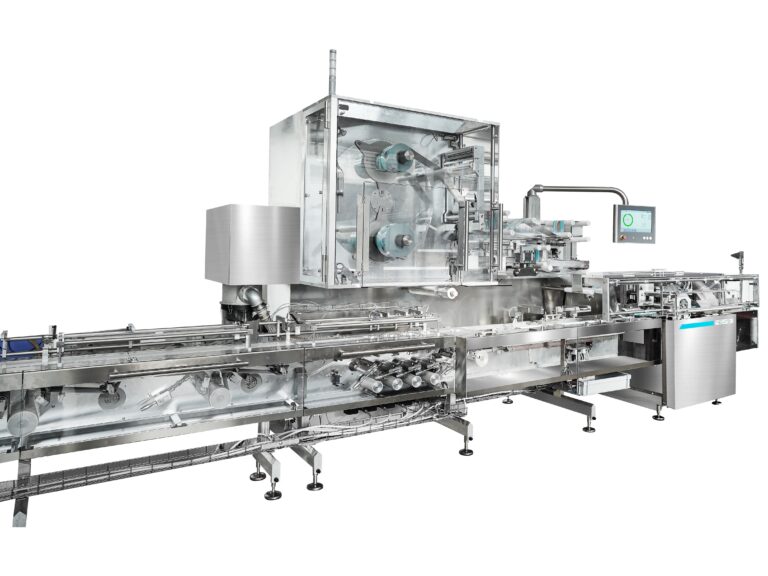
Resource-efficient processes offer both environmental and economic benefits. Optimised mould cleaning systems can significantly reduce water, chemical, and energy consumption, while energy-efficient kitchen technologies lower costs and emissions. Packaging is another key area of focus, with manufacturers increasingly adopting recyclable and biodegradable materials. Achieving this transition requires advanced forming and sealing technologies that maintain product quality and shelf life.
Manufacturers that successfully combine sustainability with operational efficiency will be best positioned to meet regulatory requirements, satisfy consumers, and strengthen long-term competitiveness.
Automation and AI for Higher Efficiency
Labour shortages and high staff turnover have made automation a strategic priority for many gummy manufacturers. Automation enables routine tasks to be transferred to machines, allowing operators to focus on process supervision, troubleshooting, and quality management while improving consistency across production.
Artificial intelligence and data-driven technologies are extending these benefits further. Advanced analytics and predictive maintenance help identify potential issues before they lead to costly downtime, improving resource allocation and overall productivity. AI can also support operators by automatically adjusting process parameters and optimising line performance to maintain product quality.
The result is improved overall equipment effectiveness (OEE), greater resilience, and production systems that can adapt more effectively to changing market conditions.
Collaboration Across the Value Chain
The complexity of gummy production requires expertise across process technology, automation, ingredients, and packaging. As a result, collaboration between equipment suppliers, software specialists, ingredient providers, packaging developers, and manufacturers is becoming increasingly important.
Partnerships help accelerate innovation and ensure that advances in one area can be effectively integrated into the wider production process. Shared standards, interoperable systems, and joint development projects allow manufacturers to respond more quickly to changing market and regulatory demands.
Strong relationships between equipment providers and producers are particularly valuable. Continuous feedback throughout design, commissioning, operation, and servicing enables both parties to improve performance and develop more efficient, sustainable solutions.
Shaping the Future of Gummy Production
The future of gummy manufacturing will be defined by flexibility, sustainability, automation, and collaboration. Success will depend not only on adopting new technologies but also on building long-term partnerships that support the entire production lifecycle.
By combining engineering expertise with lifecycle-focused solutions, technology providers can help manufacturers manage increasing complexity, improve resilience, and unlock new growth opportunities. Through this approach, the industry can continue delivering innovative products while meeting the economic, environmental, and regulatory demands of a rapidly changing market. As a trusted partner, Syntegon remains committed to supporting manufacturers as they navigate this transformation.