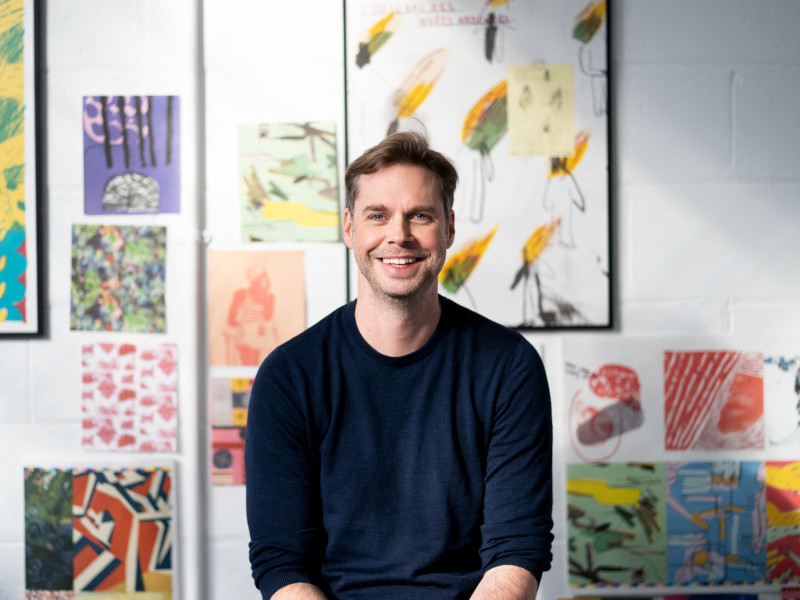

Calum Haggerty, Founder of Made Uncommon, discusses the challenges of scaling an independent confectionery business, and how innovation, ethical sourcing, and brand clarity are shaping the company’s future
What first inspired you to found Made Uncommon, and what gap in the market were you aiming to fill?
Made Uncommon came from a simple observation: most confectionery brands sit in narrow lanes. At one end, you’ve got big industrial players. At the other, small artisan brands. Not many are thinking about how to operate across multiple positions in a deliberate way.
I wasn’t interested in building just one “nice chocolate brand”. I wanted to build a group that could work across premium gifting, grocery, plant-based, and ethical sourcing, with each brand doing one thing properly. The gap wasn’t just product, it was structure.
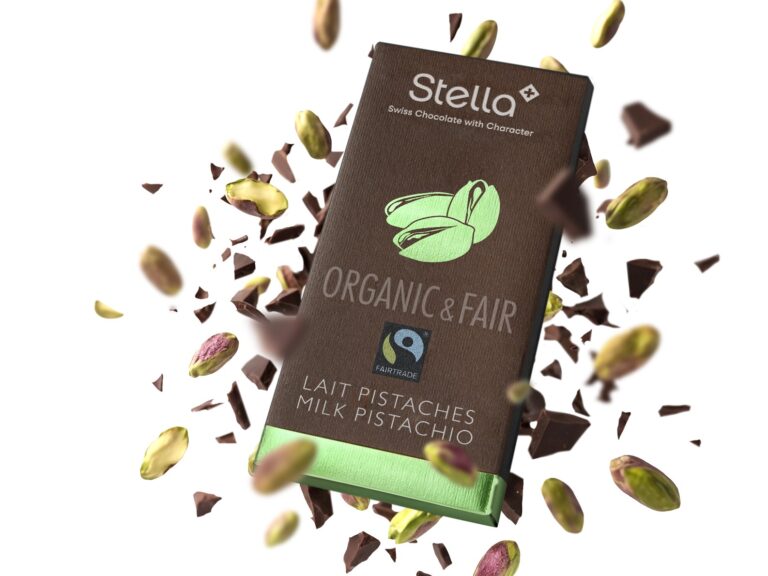
Most brands are built emotionally. Ours are built with intent. Each brand exists for a reason. COCO is design-led gifting. Otherly is plant-based and accessible. UP-UP is built around verified child-labour-free cocoa.
The opportunity was to bring discipline to creativity. Not just make good products, but build brands that are commercially sharp and actually scale.
What were some of the biggest early challenges you faced when launching Made Uncommon, and how did you overcome them?
The usual three, cash, capability, and credibility.
Cash flow is always tight in chocolate. You’re buying raw materials, making stock, then waiting to get paid. One of the bigger decisions I made was investing heavily in manufacturing and moving the business to Port Edgar. That was about £1 million.
In reality, we staked the company on it. We had to grow to service that debt. We did, but it brings enormous pressure to execute. When you put yourself in that position, there isn’t really a plan B. You either make it work or you don’t. Controlling production did give us a long-term advantage, but it wasn’t comfortable at the time.
Capability is the second challenge. When you’re small, you don’t have specialists. You’re learning production, supply chain, branding, and sales all at once, usually by getting things wrong first.
Then there’s credibility. Retailers want proof. At the start, you don’t have any. So you build it manually, trade shows, outreach, meetings, one relationship at a time.
At the beginning, a bit of naivety helps. You don’t fully understand how hard it’s going to be, but you keep going anyway. Relentlessness matters more than anything. There’s no shortcut. It’s about how long you can stay in the game. If you last, it starts to compound
Made Uncommon has a distinctive identity and product philosophy. How would you define the brand’s core values, and how do these influence your approach to product development?
At a group level, it comes down to disciplined creativity, accountability, and a bias towards action. Creativity matters, but it has to earn its place. We’re not interested in doing something just because it looks good. It has to help sell the product. We keep the main thing the main thing. Clarity matters more than complexity.
Accountability is about doing what you say you’re going to do. We keep the team lean, so people are expected to take ownership rather than hide behind structure. We value ideas and execution, not hierarchy. Good ideas win, but they only matter if they’re delivered.
When it comes to product development, clarity is everything. Every product needs a reason to exist. What shelf is it on? Who is it for? Why would someone pick it up? If we can’t answer that quickly, we don’t make it.
Looking at your product range, creativity and differentiation seem central. How do you balance innovation with the need to meet consumer expectations in a competitive confectionery market?
Most innovation in confectionery is surface-level, new flavours, new packaging, small tweaks. It rarely changes behaviour. People still buy chocolate as a treat, a gift, or an impulse purchase.
We look at innovation in two ways.
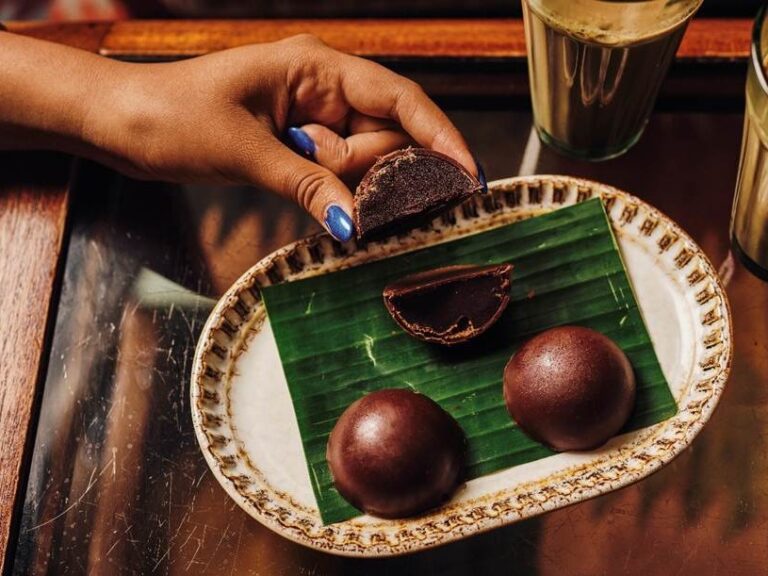
First, experience. How the product looks and feels. That’s where COCO has been strong, using art and design to stand out, especially in gifting.
Second, substance. UP-UP is a good example. The differentiation isn’t just the packaging, it’s the supply chain. It’s built around verified child-labour-free cocoa. That’s harder to do, but it creates a more defensible position.
There’s also a balance to strike. You have to give customers something familiar, but introduce something different at the same time. For us, that might be a classic flavour like salted caramel, but presented in a more innovative, art-led way. A bit of what people know, and a bit of what they don’t.
The balance is straightforward. You still have to meet expectations on taste, price, and format. If you get those wrong, nothing else matters.
Read the full interview in our latest issue here