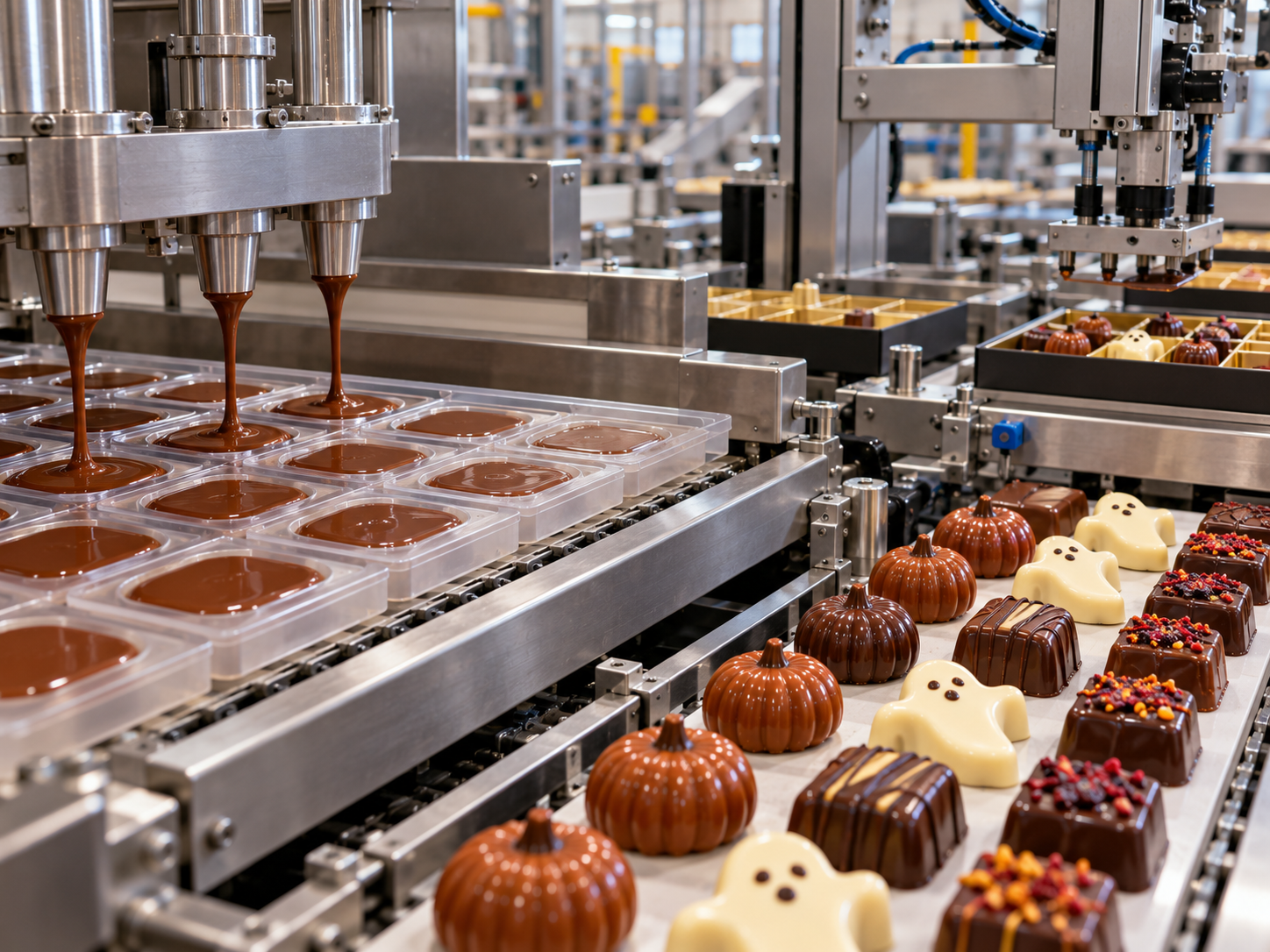

Halloween, Diwali and international gifting occasions are reshaping seasonal confectionery through culturally specific products, explains Senior Editor Joseph Clarke.
Seasonality matters
Seasonality has always mattered in confectionery, but the definition of a seasonal range is becoming considerably broader. For an international manufacturer, the commercial calendar can move from Halloween into Diwali, through Christmas and Lunar New Year, before Valentine’s Day and Easter begin the cycle again.
The important distinction is that these occasions cannot simply be treated as different graphics applied to the same box of chocolates. Each has its own consumption patterns, gifting traditions, flavour expectations, price points and visual language.
That makes seasonal confectionery an increasingly interesting manufacturing discipline. A Halloween product might depend upon individual portions, novelty moulding, sour flavour profiles and high impact colours. A Diwali assortment may instead require premium presentation, multiple product varieties and a format designed explicitly for gifting and sharing. Christmas remains important, particularly across Europe and North America, but it represents one part of a much larger international opportunity.
International Confectionery’s own editorial calendar reflects this breadth, positioning Halloween, Christmas, Diwali and gifting ranges together with festive flavours, decoration and printing systems, gifting sleeves, decorative tins and advent structures. The common manufacturing requirement is flexibility. Seasonal products have relatively narrow sales windows, which means manufacturers must create differentiation without introducing unnecessary complexity, waste or changeover time.
Halloween moves beyond the trick or treat bag
North America remains one of the clearest demonstrations of confectionery becoming inseparable from a particular celebration. The National Confectioners Association reported in September 2026 that 81 percent of Americans planned to celebrate Halloween, while 85 percent expected to share treats with trick or treaters. Chocolate ranked as the most popular Halloween treat, followed by gummies, hard candy and candy corn.
There is also evidence that the purchasing window is extending. More than a quarter of consumers surveyed by the association were buying seasonal treats before October.
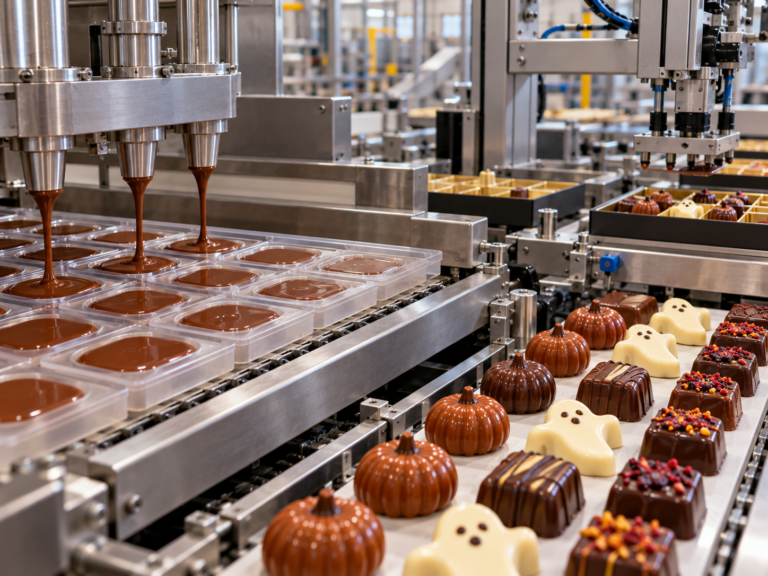
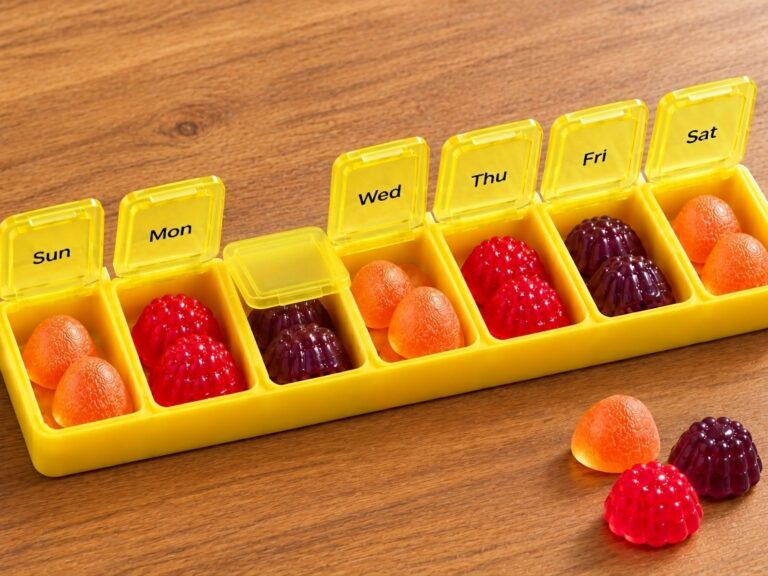
For manufacturers, Halloween is particularly compatible with controlled product variation. Existing chocolate, gummy and sugar confectionery platforms can be adapted through mould geometry, colour, flavour, decoration and pack format rather than complete reformulation.
Pumpkins, ghosts and skulls were identified by the National Confectioners Association as preferred Halloween confectionery shapes among US consumers. These are comparatively straightforward visual signals, but producing them efficiently still requires appropriate moulding, depositing and decoration capabilities.
The UK market illustrates similar diversification. Hancock’s Confectionery describes its 2026 Halloween offer as spanning spooky shapes, sour flavours, novelty confectionery, multipacks, sharing bags, pick and mix and themed gifting formats.
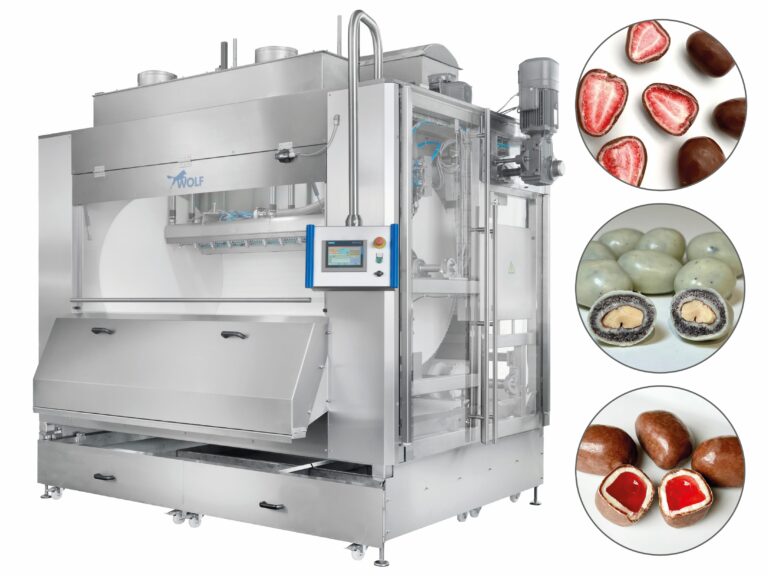
Hames Chocolates provides another useful manufacturing example. Its current Halloween portfolio includes skull and tombstone lollipops, shaped chocolates, pouches, truffles and hot chocolate products. The company has also used filled chocolate formats, including skull shaped products with contrasting centres, to add theatre beyond the external packaging.
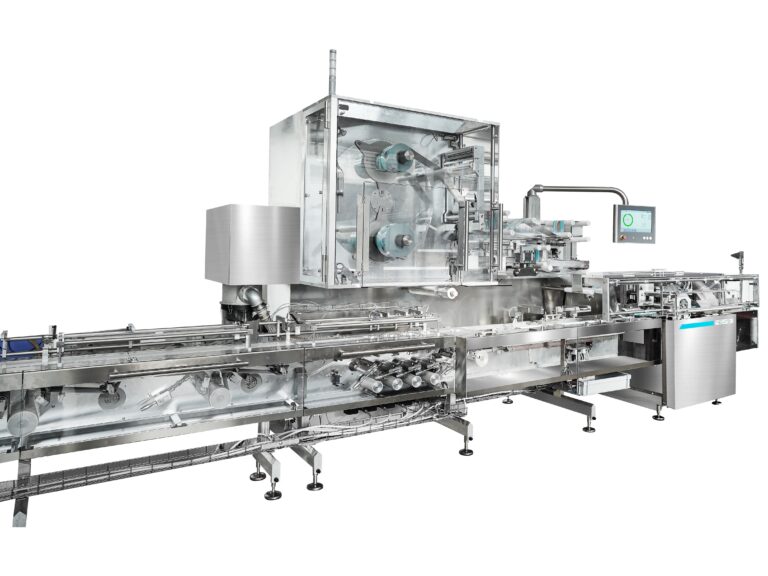
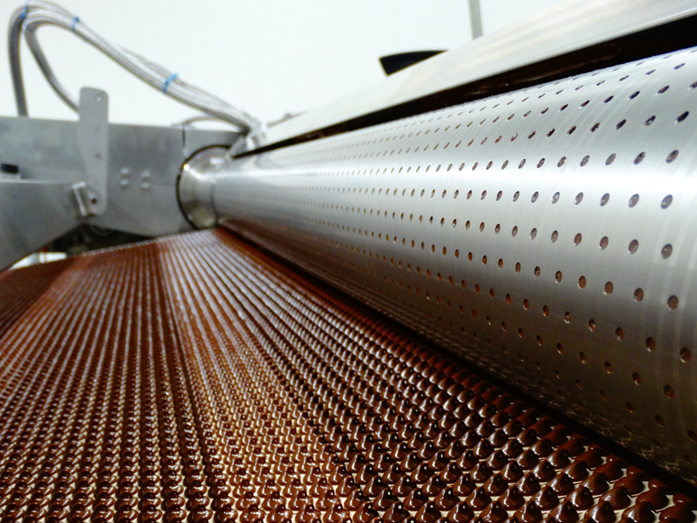
None of these concepts requires Halloween to become a completely separate manufacturing category. Instead, established processes such as moulding, depositing, decorating and pouch filling are being used to create short run differentiation.
That distinction matters. Seasonal manufacturing works most effectively when novelty is visible to the consumer but manageable inside the factory.